BookyAwards · 2026
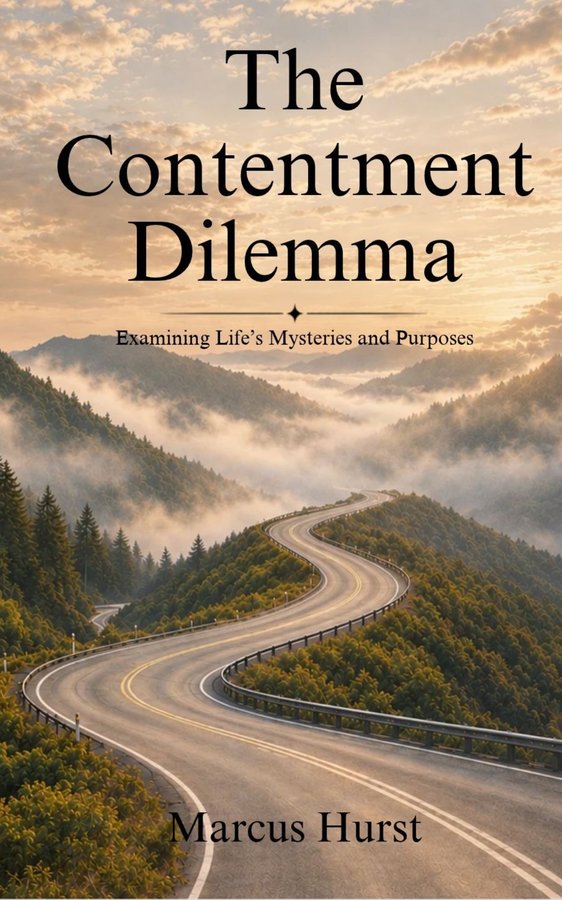
The Contentment Dilemma
by Marcus Hurst
Best Genre Craftsmanship Booky
The citation
The judge's reasoning
Hurst writes apologetics the way it is best written: as an invitation, not a siege. The book's engine is a single clear question, why do the comfortable feel so empty?, and he never lets it go. Chapter by chapter he moves from truth, to God, to suffering, to Satan, to surrender, to practice, then closes with a Q&A that answers the objections a skeptical reader would raise anyway. For the genre this is disciplined architecture. It is also generous. He tells readers to "skip any sections that do not interest you" and to "disagree with me if necessary," and he pairs each claim with a named source: Guinness, Lewis, Strobel, Kreeft, Tozer.
The invented devices work. The "me-infection" is a small, memorable piece of branding, and the Harold-on-cruise-control parable and Charlotte and the soap bar make abstractions concrete. The best argument in the book, in the suffering chapter, reframes pain as the one voice loud enough to break through self-deception. The "divine alarm clock" and the seed that grows in darkness do real work there.
What gives the book its credibility is the author's willingness to log small, undramatic evidence of faith: the failing alternator on the drive home, the milkshake refund, the blind friend's Bluetooth connection. A reader may not accept the inference, but the testimony is specific and sincere, and the admission that a friend still cannot sense God's presence ("I find I don't have it all figured out") is the most disarming moment in the book. Readers who share Hurst's Anabaptist, Scripture-first outlook will find a patient, warm companion, and the closing Q&A gives skeptics a fair hearing.
From the book
Supporting passages
"Suffering exists in the human story, not because God is cruel, but because suffering is the only voice loud enough to break through our self-deception."
"Contentment is not the absence of pain, but the alignment of the soul with reality—even when pain remains."
"I noted the anxiety levels rising in my body, and then I thought of it. "I'm a Christian, and I should be leaving this in God's hands.""
The scorecard
Per-axis rubric scores
Every Booky-winning book is scored across all ten craft axes. The award category comes from the top axis; a second axis at or above 75 appears as secondary recognition.
- Prose & Style 70
- Characterization 60
- Dialogue 55
- Plot & Structure 77
- World-Building 76
- Originality 74
- Emotional Resonance 79
- Theme & Substance SECONDARY RECOGNITION 80
- Genre Execution AWARDED 82
- Marketability & Hook 79
Scores out of 100
Find out what your book does best.
Submit your book today. Get a real, honest, category-specific Booky — or every dollar back.
