
BookyAwards · 2026
Lost in the Reflecting Pool
by Diane Pomerantz
Most Relevant Read Booky
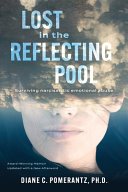
The citation
The judge's reasoning
A good non-fiction book changes one specific thing about your week, and this one does it in a way few memoirs manage: it teaches you to re-read a scene you've already lived through. Pomerantz's governing structure is the prologue. We open on the night Charles "takes care of" the neighbors' cat, Mr. Buttons, and she vomits on the bathroom floor wondering whose reflection is in the mirror. Then the book spends 280 pages showing us the thousand small things she saw and shelved: the kitten put down the sewer at three, the "fiery crash on 95" he fantasizes about for his parents' inheritance, the hair-pulling patient he tells to "just sit on your hands." The payoff comes in Dr. Putman's office, when the sight of her gray tabby at the window triggers a shaking, unplaceable terror and the buried closet door finally opens. That is a real argument about how trauma gets filed away, earned by evidence rather than asserted.
The evidence is concrete and often damning: the bag-lady angel figurine delivered to her hospital bed after reconstruction, the bank withdrawal that engineers an overdraft she's blamed for, the birthday dinner with no flowers after twenty years of flowers. The recurring flower motif turns the abuse itself into a measurable absence. The new Afterword converts the memoir into a working tool, translating her story into love-bombing, mirroring, gaslighting and blame-shifting, with a list of ineffective responses (appeasement, explaining and defending) and scripted alternatives. Her honesty about her own part in the dance, her "Psychologist Shield" and the belief that she "could handle anything," keeps it from reading as score-settling. For a reader in a relationship like this one, that is a practical, specific takeaway.
From the book
Supporting passages
"Beware, for if you drink from the River Lethe and you forget, you will not know what it is you need to remember."
"Why in the world are we going to meet the other people in the practice? ... "Why doesn't Daddy love us anymore?" He looked at me, waiting for an answer."
"The terrorist usurps the role of the victim in order to gain control."
The scorecard
Per-axis rubric scores
Every Booky-winning book is scored across all ten craft axes. The award category comes from the top axis; a second axis at or above 75 appears as secondary recognition.
- Prose & Style 79
- Characterization 82
- Dialogue 77
- Plot & Structure 80
- World-Building 81
- Originality 78
- Emotional Resonance SECONDARY RECOGNITION 86
- Theme & Substance AWARDED 87
- Genre Execution 83
- Marketability & Hook 82
Scores out of 100
Find out what your book does best.
Submit your book today. Get a real, honest, category-specific Booky — or every dollar back.
